Human Factors in Collision Investigation
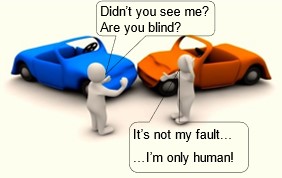
Our expert Mark Hill talks through some of the factors that make us human, how these influence our driving behaviour and what an expert investigator should consider as part of their reconstructions.
Our expert Mark Hill talks through some of the factors that make us human, how these influence our driving behaviour and what an expert investigator should consider as part of their reconstructions.
Back in March 2021 we wrote about the technical work we did for a case in which there was a fatal incident at a velodrome. The solicitors acting for the claimant have also now written up their own account of the same case here. It’s fascinating to read the two side by side. Our technical…
A rotating wheel stores a large amount of energy, both rotational and linear, and can cause a huge amount of damage and injury if it separates from a vehicle.
Aquaplaning is a rare phenomenon in which a complete layer of water builds up between the road surface and one or more of a vehicle’s tyres, causing them to lose direct contact with the road.
For any given vehicle travelling on a curve, there is a sideways acceleration threshold above which it is prone to roll over. The sideways acceleration it experiences is determined by its speed and the curvature and the camber or crossfall of the curve…
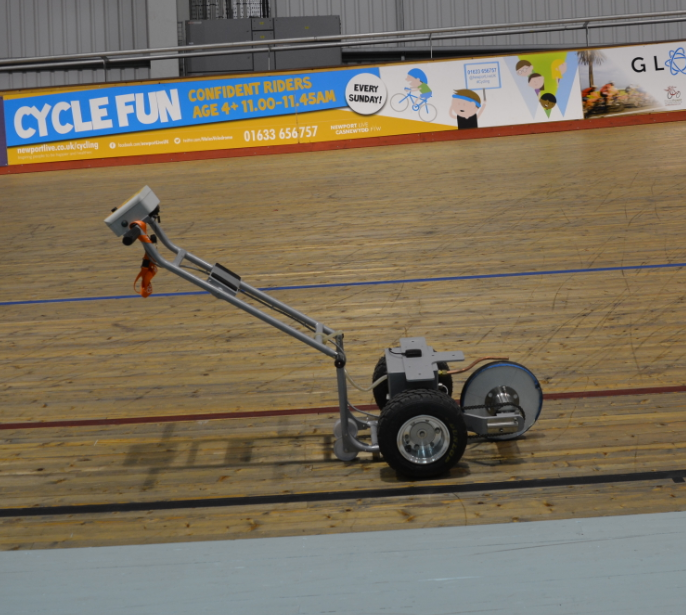
This case study relates to a fatal incident which took place at an indoor velodrome, where TRL’s investigation covered multiple technical areas including grip testing, environmental testing for dirt and debris, CCTV analysis and accident reconstruction.
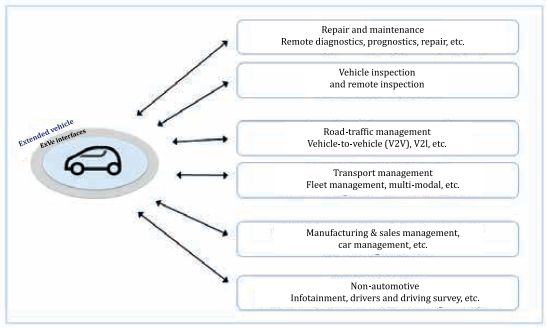
eCall is a vehicle system which automatically alerts emergency services in the event of a serious road collision.
Did you know that the Insurance Fraud Bureau estimates that ‘Crash for Cash’ collisions cost the UK around £340 million per year?
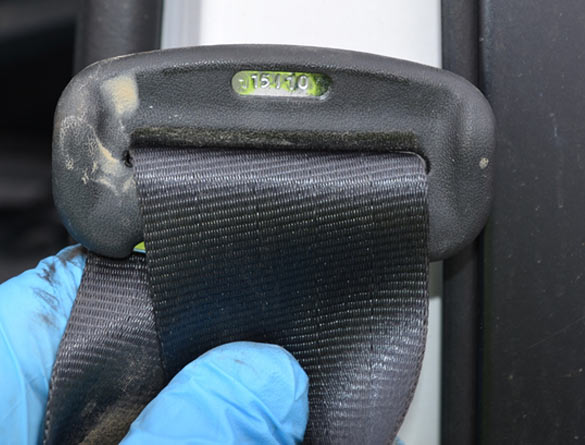
TRL’s Experts are highly trained and have many years’ experience of vehicle assessment and inspection, ranging from bicycles to tractors and large goods vehicles.
Pedal error – i.e. pressing the wrong pedal – is a phenomenon that occurs more regularly than many people would expect.