E-Scooter collisions: understanding performance factors
A new TRL research report provides valuable performance data about e-scooters which helps understand vehicle dynamics in collisions.
The collision investigator’s role in getting justice for the victim, supporting the victim’s needs in a civil process, and contributing to research to prevent future collisions.
Two vehicles collide head on. How can collision investigators tell who was on the right/wrong side of the road at the time of a collision?
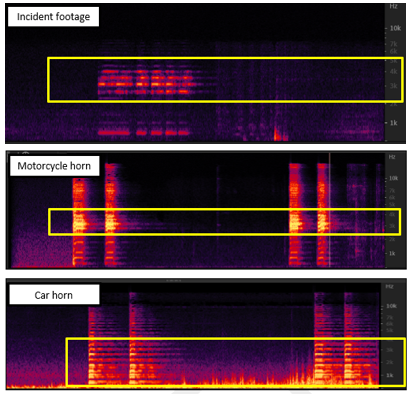
Audio recordings are often overlooked as evidence but can help draw important conclusions when investigating a collision, particularly when used alongside video footage
Reflections on TRL’s role in the investigation of the fatal collision involving Diana, Princess of Wales and Dodi Al Fayed and the pioneering approach which not only provided much needed answers but also advanced collision investigation methodologies as a whole.
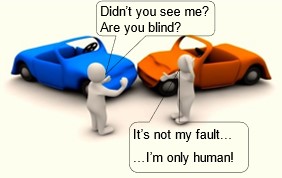
Some of the factors that make us human influence our driving behaviour. This article explores how an investigator makes use of this in collision reconstructions.
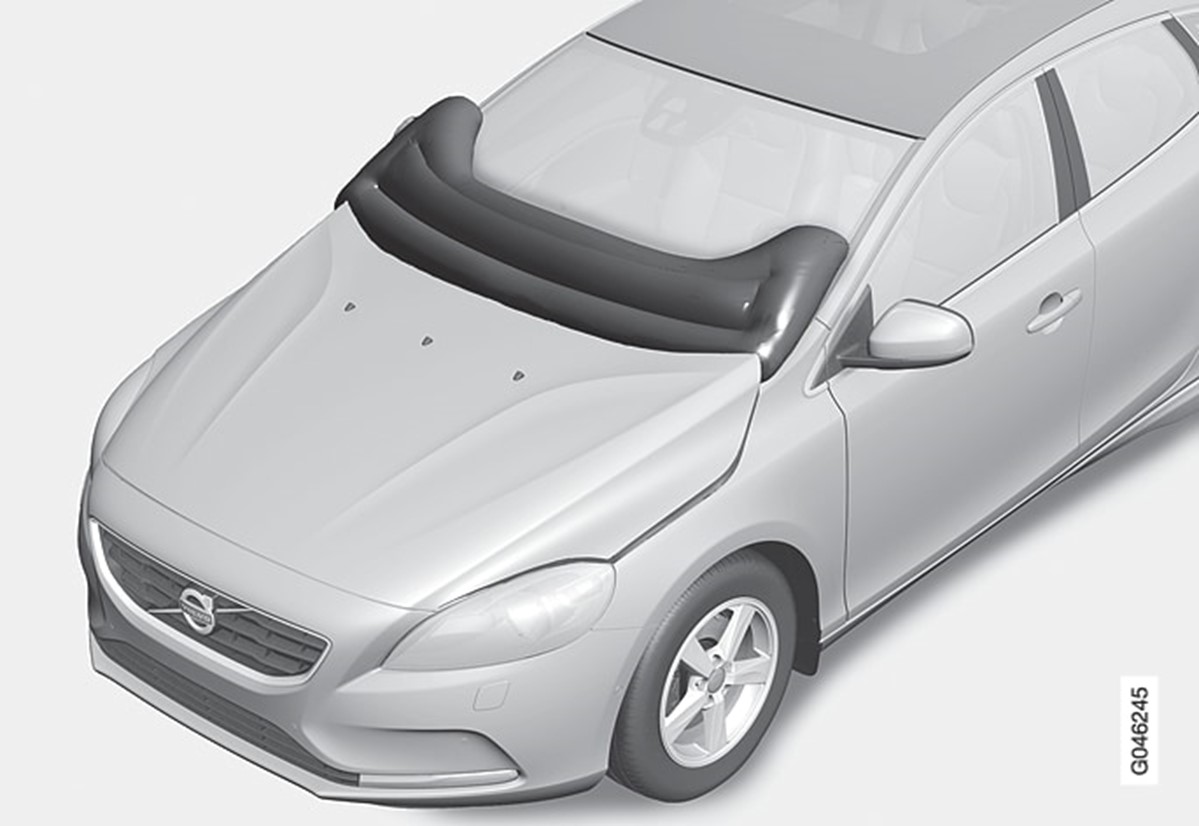
How we use data from airbag deployments in forensic collision investigations
Determining the best analysis methods to exploit video footage of an incident and in particular calculate actual distances travelled and speed of vehicles
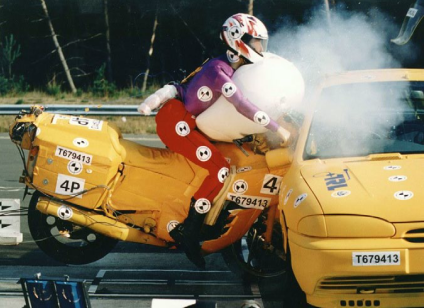
A potted History of Trauma Biomechanics – part two -TRL’s work for the past 60 years
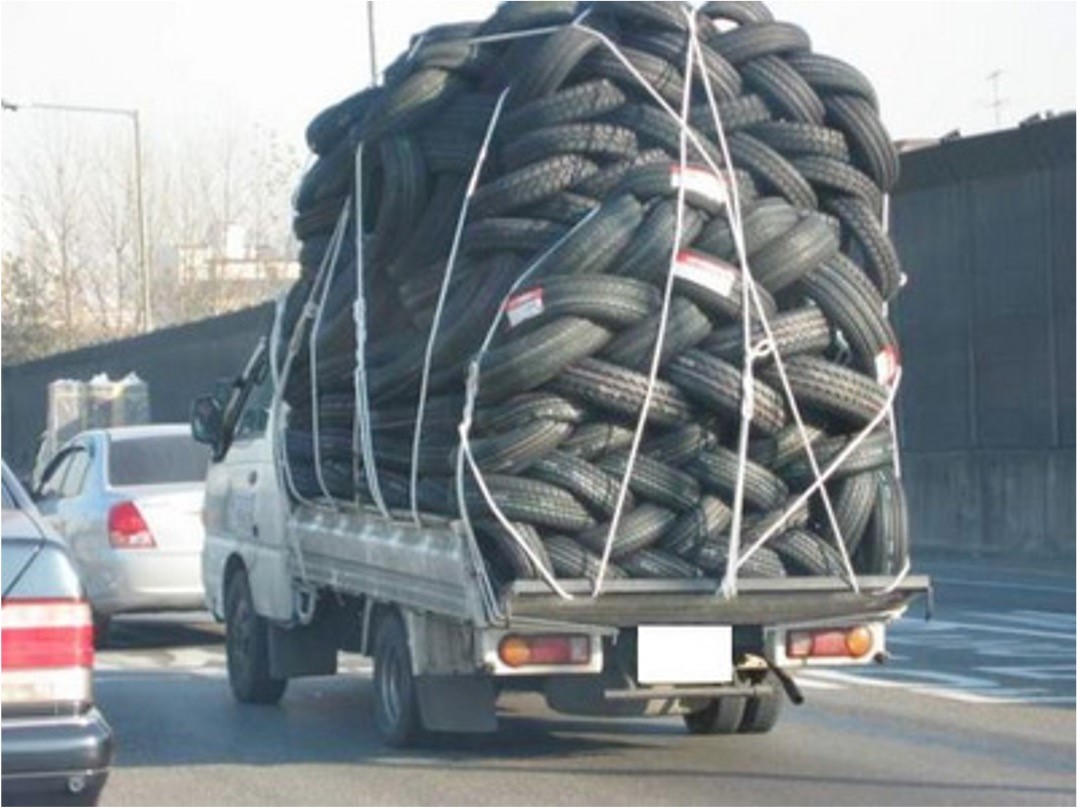
How TRL investigators assess the evidence to establish if the security of a vehicle’s load directly caused, or contributed to, the resultant injury or collision.